2026 Top External Wall Light How to Choose?
Choosing an External Wall Light in 2026 involves more than matching a fixture with your front door. Outdoor lighting now combines energy efficiency, weather resistance, smart control, and architectural character. A stylish lamp may look impressive online, yet perform poorly beside a wind-exposed entrance or a damp garden path.
This guide explains how to compare wall lights through practical details. Consider brightness, beam direction, color temperature, IP rating, material quality, and installation position. For example, a 3000K warm-white light can make brickwork feel welcoming, while a cooler tone may reveal security areas more clearly. Motion sensors can reduce wasted energy, but poorly adjusted sensitivity may trigger repeatedly when branches move.
Real-world use matters. Stainless steel can resist moisture, but coastal air may still cause staining without proper maintenance. Powder-coated aluminum feels lighter and often handles outdoor exposure well. Glass should be thick, sealed, and easy to clean after rain. Check the manufacturer’s testing information rather than trusting attractive product photographs.
Small choices matter.
A reliable selection also considers wiring access, bulb replacement, glare, and compatibility with existing controls. Local electrical requirements should guide installation, and qualified professionals are advisable when new wiring is involved. Product claims are not always equally clear, so compare published specifications with independent reviews and warranty terms.
There is no perfect fixture for every property. That is worth admitting. The best External Wall Light balances appearance, safety, durability, and daily convenience. This 2026 guide will help you question exaggerated claims and choose lighting that remains useful after the first impressive night.
What Are External Wall Lights and How Do They Work?
2026 Top External Wall Light: How to Choose?
What Are External Wall Lights and How Do They Work?
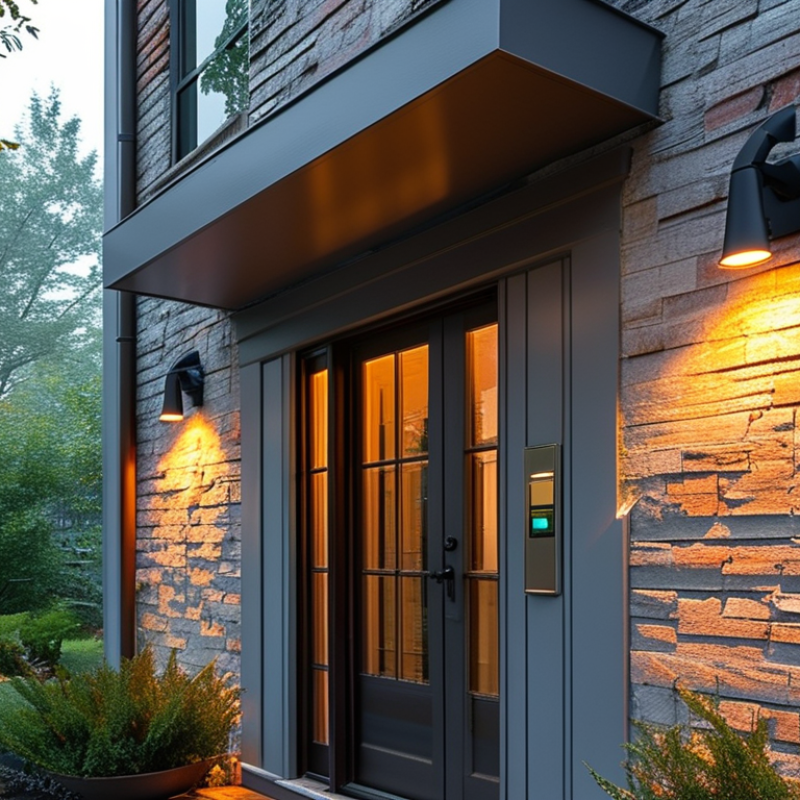
External wall lights are outdoor fixtures mounted on exterior walls, entrances, patios, or garden boundaries. They provide illumination for movement, security, and architectural detail. Most modern units use LED technology, which converts electrical energy into light with limited heat and low maintenance needs.
The fixture connects to mains electricity or a low-voltage system. When switched on, electricity reaches the LED driver, which regulates current before powering the light source. Some lights include photocells that activate after sunset. Others use motion sensors, detecting changes in infrared heat from people or animals.
Small, practical detail.
In real installations, the IP rating matters. An IP65 fixture offers stronger protection against dust and water jets than a lower-rated model. The wall surface also needs suitable anchors, especially with brick, concrete, or rendered insulation systems. Electrical connections should follow local codes and be handled by a qualified electrician.
I once underestimated how much glare a bright wall light could create. The entrance looked safer, but nearby windows became uncomfortable at night. A shielded design and a warmer colour temperature often create better visual comfort. Check the beam direction, sensor range, mounting height, and cable position before choosing. Mistakes happen when appearance leads the decision.
Which External Wall Light Types Suit Different Outdoor Spaces?
Choosing an external wall light starts with the outdoor space, not appearance. At a front entrance, use a shielded up-and-down sconce or downward lantern. It should illuminate faces and locks without shining into nearby windows. A practical target is 300–800 lumens, with 2700–3000K light for a welcoming tone. For narrow paths and steps, compact downward fixtures reduce glare and reveal surface changes. Motion sensors can improve safety, although poor positioning may cause annoying activation.
Patios and balconies need softer, wider light. Diffused wall fixtures around 150–400 lumens can support dining without flattening the atmosphere. Covered areas may accept IP44-rated products, while exposed walls usually require IP65 protection against water jets. Coastal homes need corrosion-resistant housings and sealed fasteners. Check the installation environment carefully. “Weatherproof” is not a precise performance test.
Energy performance also matters. The U.S. Department of Energy states that LED lighting uses at least 75% less energy and lasts up to 25 times longer than incandescent lighting. Choose replaceable LED modules when possible, then review lumen output, beam angle, colour rendering, and dimming compatibility. The International Dark-Sky Association recommends shielding light and limiting unnecessary upward spill. This advice is easy to overlook. In practice, many attractive fixtures create glare because their mounting height and beam spread were never tested together. Confirm local electrical requirements and ask for photometric data before buying.
How to Choose Light Output, Color Temperature, and Beam Angle?
2026 Top External Wall Light: How to Choose?
Choosing an external wall light starts with light output, not appearance. Lumens show the total light produced. Lux describes how much light reaches a surface. For a doorway, moderate output usually prevents harsh shadows and glare. A wide entrance may need more lumens than a narrow side path. My early selections were often too bright. Brightness looked impressive, but it disturbed nearby windows and felt uncomfortable at night. Measure the mounting area before choosing.
Color temperature changes the character of a wall. Warm white, around 2700K to 3000K, creates a softer and more welcoming entrance. Neutral white, near 3500K to 4000K, reveals details more clearly. It can suit garages, steps, and security-focused areas. Very cool light may appear sharp or clinical. That is not always wrong, but it deserves careful thought. Check the light beside your wall material. Painted brick can look different under artificial light.
Beam angle controls where the light travels. A narrow beam highlights columns, textures, or house numbers. A wide beam spreads light across doors and walkways. Up-and-down lighting can add depth, but it may waste light if the wall is distant. Avoid aiming the beam toward neighbors or passing drivers. Look for reliable weather protection and suitable installation instructions. Even experienced installers can misjudge glare. A small evening test often reveals problems that daytime planning misses.
What Materials and Weatherproof Ratings Ensure Long-Term Performance?
Choosing a 2026 external wall light starts with its materials, not its appearance. Aluminum is lightweight and resists rust, while powder coating helps protect its surface from rain and sunlight. Stainless steel offers stronger corrosion resistance, especially in damp areas. For coastal homes, marine-grade stainless steel is usually a safer choice. Plastic housings can work well, but they need proven UV resistance. Cheap plastic may become brittle after years of heat.
Weatherproof ratings explain how well a fixture handles dust and water. An IP65 rating protects against dust and water jets, making it suitable for most exposed walls. IP66 offers stronger water protection. IP44 may suit a sheltered porch, but it can struggle under driving rain. Check the complete IP rating, not only the product description. The testing standard matters too. Look for clear references to IEC 60529 or an equivalent recognized standard.
Tips: Inspect gaskets, screw covers, and cable glands before installation. These small parts often decide long-term performance. Keep drainage paths open, and avoid mounting the light where water collects. I once underestimated salt air near a coastal property; the coating looked fine, but hidden fasteners corroded early. That experience changed my selection process. A high rating cannot repair poor installation. Also, confirm the local temperature range and clean the fixture gently each season. Small maintenance helps, though I still think manufacturers should explain replacement parts more clearly.
Which Smart Features, Energy Options, and Safety Standards Matter in 2026?
Choosing an external wall light in 2026 means balancing convenience, energy use, and measurable safety. Smart control should solve a real problem, not decorate a specification sheet. Motion sensing can brighten a pathway only when needed, while dusk-to-dawn control maintains dependable entry lighting. Look for adjustable sensitivity, manual override, local control, and secure software updates. Interoperability matters. A light supporting open smart-home standards is less likely to become useless after one app changes. I still question remote access for a simple porch lamp; reliable physical switching may matter more.
Energy performance starts with efficient LEDs, low standby consumption, and a driver rated for outdoor temperatures. Solar models reduce wiring but may struggle beside shaded walls or during several cloudy days. Check lumen output, battery replacement access, and performance claims based on realistic test conditions. Safety needs more than a bright lamp. Choose an ingress protection rating suited to rain, dust, and the mounting position, not merely the highest number. Verify recognized electrical certification, proper earthing where required, strain relief, and installation guidance for local rules. A residual-current device may add protection in suitable circuits, but it cannot correct poor wiring. Inspect seals and cable entries after installation. Small gaps become large problems. Outdoor fixtures age through sun, frost, and moisture, so a less clever light may prove safer and easier to maintain over ten winters.