
10 Best Modern Dining Chairs for 2026

A dining chair is not merely a seat; it is the part of the room guests touch, move, and judge up close. For 2026, modern dining chairs balance sculptural form with the less glamorous demands of daily life: stable legs, wipeable surfaces, and comfort beyond a quick meal. The choice matters most in real rooms, where chair backs meet walls and table edges leave little room to maneuver.

The market offers plenty of signals, but not every trend is useful. Grand View Research estimated the global furniture market at $677.09 billion in 2024, reflecting a broad appetite for home furnishings. That figure covers far more than dining chairs, so it should not be mistaken for proof that one chair style is gaining popularity. For shoppers, scale, finish, and fit remain more practical measures. A curved upholstered chair may feel inviting, yet snag at a narrow table. A sleek wooden frame may photograph beautifully and feel unforgiving after dinner.

Design still has a useful standard. Danish furniture designer Hans J. Wegner is often quoted: “A chair is to have no backside. It should be beautiful from all sides and angles.” That idea guides this selection of 10 modern dining chairs for 2026, alongside comfort and construction. Expect varied materials, silhouettes, and price points—not a universal winner. Check seat height against your table, and look closely at joints and fabric care before buying. Trends change. A chair that fits your room and supports an unhurried meal is harder to replace.
10 Best Modern Dining Chairs for 2026

What Defines a Modern Dining Chair in 2026?

What Defines a Modern Dining Chair in 2026?

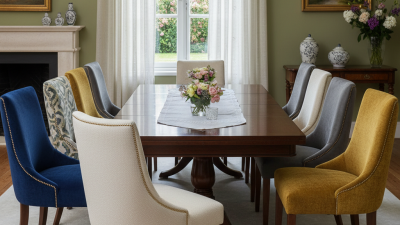
In 2026, a modern dining chair is defined less by a dramatic shape than by how it performs during an ordinary meal. It should support relaxed sitting, slide neatly under the table, and feel steady on your floor. Check the seat height against your table, and leave enough room for knees and elbows. Small details matter: rounded edges feel kinder against bare arms, while a wipeable finish can save time after a spilled drink. Materials should suit your household, not just the room’s photographs.

Comfort is personal, and a chair that feels elegant for five minutes may become tiring over dinner. I still find that some slim, sculptural seats look better than they feel; that trade-off deserves a real test. If possible, sit in a similar chair before buying, and notice whether your feet rest comfortably and your back feels supported. A little visual mismatch between chairs can even make a room feel more lived-in. It may not suit every home.

Tips: Measure the chair, table, and walkway before ordering. For upholstered seats, check the cleaning instructions and fabric texture; for hard surfaces, listen for scraping on your floor. A chair should fit daily routines, not only a style trend.

Key Features to Compare Before Choosing a Dining Chair

Measure the dining table before comparing chair styles. A seat height near 18 inches suits many standard tables, but check the space between the seat and tabletop. Aim for about 10 to 12 inches of clearance for comfortable leg movement. If the table has a thick apron, measure beneath it too. A chair that fits the room can still feel cramped at the table.

Test the seat, not just the silhouette. Sit for several minutes and notice whether the seat feels firm, whether the back supports you, and whether the edge presses behind your knees. Small detail. Arms can be comfortable, but confirm they slide beneath the table. Upholstered seats feel warm and soft, yet spills may take more effort to clean. Wood or molded surfaces wipe down easily, though some feel hard during long meals.

Check the chair’s footprint and weight, especially in a narrow dining area. Pull it out as you would during dinner; chairs need room to move without blocking a walkway. Look for stable joints, an even stance, and a finish suited to daily use. For busy households, removable cushions or wipeable materials may be practical. Looks matter, but I’d still inspect the underside and test the chair on your own floor. A tiny wobble can become annoying.

10 Modern Dining Chairs Worth Considering in 2026

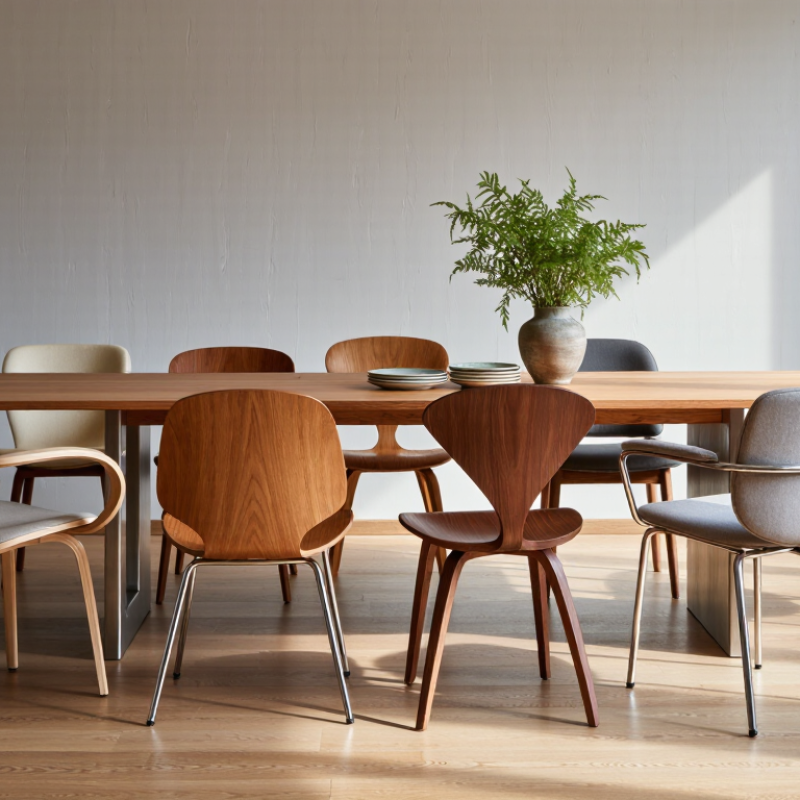
Modern dining chairs in 2026 should earn their place through comfort, clean proportions, and everyday practicality. A useful shortlist includes sculpted-wood, curved-back, cane-seat, upholstered-shell, bentwood, cantilever, slim-metal, swivel, stackable, and compact-armchair designs. That range is more useful than chasing one fashionable silhouette. Check seat height against the table, then consider back support and whether the front edge presses into your thighs. Fit matters most.

The U.S. Census Bureau’s 2023 American Community Survey reports an average household size of 2.54 people, a useful reminder that everyday dining often involves smaller groups, with guests joining occasionally. Stackable or lightweight chairs can free floor space; upholstered seats may feel warmer but need stain-aware fabric. Cane and open-back designs look airy, yet may feel firm during long meals. Compare frame joints, finish quality, and whether replacement glides are available. One limitation: photos cannot reveal seat pressure or scraping sounds on hard floors, so test a chair in person when possible. Looks can mislead.

10 Best Modern Dining Chairs for 2026: Key Sizing Guide

Compare common planning dimensions for dining chairs and tables. These typical ranges, shown in inches, are a useful starting point; check the actual measurements of each chair and table before buying.

How Materials and Design Affect Comfort and Durability

Comfort starts where the body meets the chair. A broad, gently curved seat spreads pressure better than a narrow, flat plank, while a rounded front edge reduces pressure behind the knees. Upholstery adds softness, but dense foam and breathable woven fabric usually handle daily use better than delicate, loosely woven covers. Still, “soft” is not the same as supportive. Sit for ten minutes, not ten seconds.

Material choice also shapes lifespan. The USDA Forest Products Laboratory’s Wood Handbook explains that wood responds to moisture, which can cause movement and affect joints over time. Stable construction, sealed surfaces, and well-fitted joinery matter as much as the wood species. For a durability benchmark, ANSI/BIFMA X5.1-2017 includes a 100,000-cycle seat test for applicable office seating; it is not a dining-chair certification, but it shows how repeated-use performance can be measured. Check a dining chair’s own test documentation where available. Feel the edge. Inspect the underside. Screws that loosen quickly, thin seat panels, or sharp corners are small warning signs, though none alone proves poor quality. A flawless finish can still conceal a weak joint.

Choosing a Chair for Your Dining Space and Lifestyle

A dining chair should fit the room, but it also needs to suit the way you live. Measure your table before browsing. Most dining seats sit about 10 to 12 inches below the tabletop, though apron depth can change what feels comfortable. Leave enough space to pull chairs out without blocking a doorway or bumping into a kitchen island. A tape measure on the floor makes this easier to judge.

Think about who uses the chairs every day. If dinners stretch late, look for a supportive back and a seat that does not feel hard after twenty minutes. Arms can help some people sit and rise, but check that they slide beneath the table. Small detail. For children or frequent spills, wipeable surfaces may save effort; textured fabric can feel warmer, yet crumbs tend to settle in its weave. I still find finish samples hard to judge under showroom lighting. Check them at home, if possible.

Room size matters as much as style. In a narrow dining area, slim legs and open backs can keep the space feeling less crowded. For long meals, a wider seat may be worth the extra inches, provided diners can still move comfortably. Try sitting in a chair for several minutes, not just testing it with your hand. Notice pressure behind your knees and whether your feet rest steadily on the floor. The prettiest option may not be the one you reach for each evening.

10 Best Modern Dining Chairs for 2026 — Choosing a Chair for Your Dining Space and Lifestyle

Chair Style Typical Construction Best For Comfort & Practicality Care Considerations Potential Trade-Off
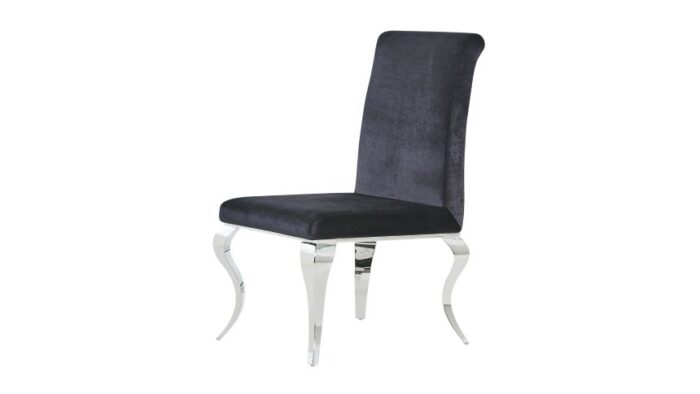
Upholstered Side Chair Fabric or leather-like upholstery over a padded seat and frame Long dinners, everyday family meals, and softer interiors Padded seating can feel comfortable for extended meals; back support varies by design. Check cleaning instructions; removable covers can make upkeep easier. Fabric may show spills and wear more readily than hard surfaces.
Solid-Wood Chair Wooden frame, with either a shaped seat or a separate seat pad Warm, natural-looking dining rooms and frequent daily use A shaped back can provide support without upholstery; a seat cushion adds softness. Wipe promptly and follow the finish-care guidance; avoid prolonged moisture. Hard seats may be less comfortable during long meals without a cushion.
Molded-Shell Chair Molded plastic or composite shell, often paired with wood or metal legs Compact rooms, casual dining areas, and easy-to-clean spaces The one-piece seat is simple to wipe down; comfort depends on shell shape and fit. Use a non-abrasive cloth to reduce the risk of surface scratches. Some designs offer less cushioning and less back flexibility.
Metal-Frame Chair Steel or aluminum frame, sometimes with a wood, fabric, or upholstered seat Industrial, contemporary, or space-conscious interiors A slim frame can help preserve visual space; a padded seat improves comfort. Clean according to the finish; inspect feet or glides to protect flooring. Unpadded versions may feel firm, and metal can feel cool to the touch.
Woven-Seat Chair Wood or metal frame with woven natural or synthetic seat material Relaxed, textured interiors and dining spaces needing visual warmth The woven surface can offer a little give, though support varies with weave and construction. Dust regularly and follow care guidance for the specific weave material. Woven surfaces may catch crumbs and can be harder to clean thoroughly.
Curved-Back Chair Wood, molded material, or upholstered construction with a wraparound back Dining spaces where added back support and a softer silhouette are desired The curved back can provide more contact around the sides than a straight-back design. Care depends on the frame and upholstery; check seams and joints periodically. The wider back may take up more room around a crowded table.
Armless Upholstered Chair Padded seat and back on a compact frame, without armrests Smaller dining rooms and tables that need chairs to tuck in closely Upholstery adds cushioning while the armless profile allows easier placement. Use upholstery-appropriate cleaning methods and address spills promptly. Provides less arm support than an armchair.
Dining Armchair Wood, metal, or upholstered frame with integrated armrests End positions at the table or diners who prefer arm support Armrests can offer added support; seat width and table clearance are important to check. Clean the arm surfaces as well as the seat; protect finishes from repeated contact. Usually requires more space and may not slide fully under every table.
Cantilever Chair Frame supported by a continuous bent or looped structure, commonly metal Modern interiors and diners who like a chair with a slight spring to its frame The flexible frame can provide gentle movement; comfort depends on the seat and back design. Check frame joints and floor glides; follow the maker's guidance for the frame finish. The frame may be heavier or harder to move than a simple four-leg chair.
Stackable Dining Chair Usually molded plastic or metal, designed to stack when not in use Multipurpose rooms, occasional extra seating, and homes with limited storage Useful for flexible seating needs; seat shape and cushioning differ across designs. Wipe clean as appropriate and stack carefully to avoid scuffing. Stacking convenience may come with a simpler look or firmer seat.

Selection tip: Compare the chair’s seat height and overall width with your table before purchasing. A common dining-table height is about 28–30 inches (71–76 cm), but individual furniture dimensions vary; allow comfortable legroom and check arm clearance.

Start typing to see products you are looking for.
Sign in

No account yet?

NewSale
SHARE YOUR CART