Tips for Choosing Custom Interior Doors for Your Home?
Choosing the right custom interior doors is vital for your home's ambiance. The doors you select can significantly influence both aesthetics and functionality. With various materials, styles, and finishes available, making a choice can feel overwhelming. Each door should reflect your personal taste while meeting practical needs.
Custom interior doors allow for uniqueness in design. They can enhance the overall style of any room. Think about how a sleek, modern door can transform a contemporary space. Alternatively, a rustic wooden door might add warmth to a traditional home. However, balancing style with function is crucial.
Consider your home's layout and design flow. The right custom interior doors should complement other elements in your home. Explore options that suit your lifestyle. Ask yourself if the chosen doors will hold up to daily use. Reflect on how they align with your vision. Ultimately, your selections will leave a lasting impression on visitors and residents alike.
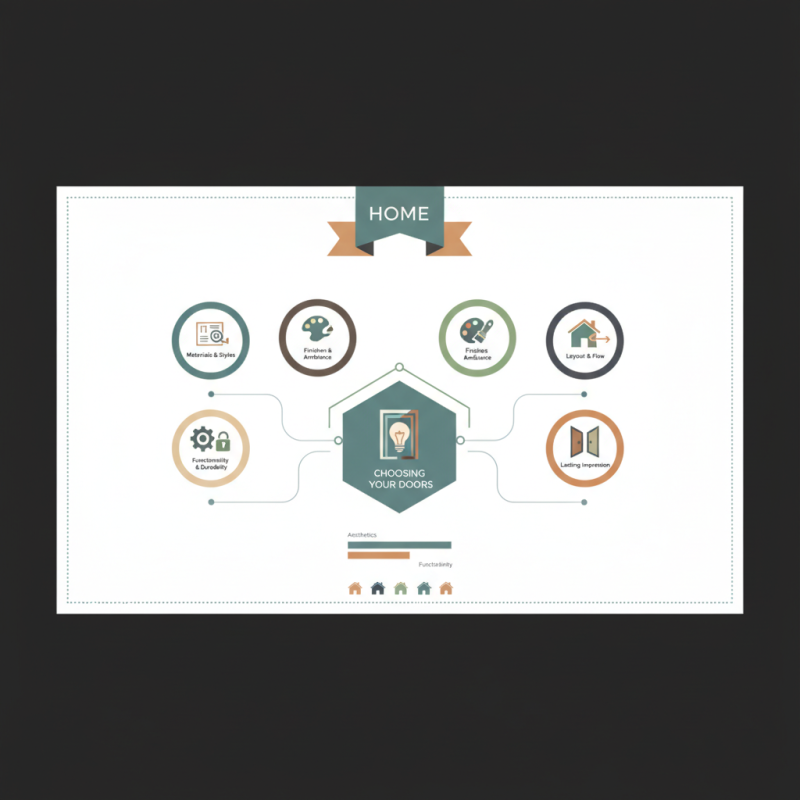
Understanding the Importance of Custom Interior Doors in Home Design
Custom interior doors play a pivotal role in home design, influencing both aesthetics and functionality. According to a report from the National Association of Home Builders, custom doors can yield a return on investment of up to 70%. This makes them not just a style choice, but a smart financial decision as well. They enhance room transitions while adding character to your spaces. Tailoring doors to fit specific styles can significantly elevate the overall ambiance of your home.
When selecting custom doors, consider the material and design. Wood, for instance, offers warmth and durability. However, high-quality fiber or glass can provide a modern touch and better natural light. Think about how your door can complement your décor while serving a purpose. It's essential to ensure that functional elements, like hardware and frames, match well with the door design. Sometimes, getting caught up in aesthetics may lead to overlooking practical aspects.
A tip for homeowners: measure accurately before making decisions. A door that doesn’t fit well can disrupt the design flow. Also, consider the installation service. Poor installation can affect door performance and durability. Investing time in these details can lead to a lasting and enriching impact on your living spaces. Always remember, custom choices reflect your personal style while meeting your practical needs. Each decision can enhance your home uniquely.
Factors to Consider When Choosing Material for Custom Interior Doors
When choosing materials for custom interior doors, several factors can greatly impact both functionality and aesthetics. Industry reports indicate that over 70% of homeowners prioritize durability and maintenance when selecting door materials. Solid wood doors are popular for their classic look and strength. However, they require regular upkeep. If low maintenance is a priority, consider engineered wood or composite options. These materials resist warping and often come with warranties, making them a practical choice.
Another essential factor is sound insulation. Studies show that interior doors can reduce noise by up to 30% when made from heavier materials. This is vital for areas like bedrooms or home offices. For those seeking an eco-friendly solution, bamboo doors are gaining traction. Bamboo is renewable and can be both sturdy and stylish. Yet, it's essential to evaluate your climate; bamboo may not perform well in excessively humid regions.
Cost also plays a critical role. Reports reveal that prices for custom doors can vary drastically, influenced by the choice of materials. Often, the most affordable option is not always the most economical long-term. An ill-chosen door may need replacement sooner than expected, resulting in higher overall costs. Knowing the pros and cons of each material empowers homeowners to make informed decisions tailored to their specific needs.
Exploring Styles and Designs of Custom Interior Doors for Your Space
When it comes to custom interior doors, the variety of styles and designs can transform your space significantly. Think about how each door reflects your home’s personality. For a modern look, consider sleek, minimalist designs. They provide clean lines and create an airy feel. Traditional styles, like paneled doors, can add warmth and character to any room. Glass doors offer a unique twist, allowing light to flow and giving a sense of openness.
Tips can help in your decision-making. Measure your space carefully before choosing a door. Consider the door’s color and finish, which should harmonize with your existing decor. It’s essential to balance aesthetics with functionality. For example, heavier doors can be more durable but may not suit lighter interiors.
Reflect on how often each door will be used. Frequent access often calls for sturdier options. You may consider sliding doors for small spaces, but they may limit privacy. The best choice combines style with practicality. Embrace the imperfections of your space and explore various designs before settling on the right fit.
Measuring and Sizing Custom Interior Doors for Optimal Fit
When selecting custom interior doors, precise measurement and sizing are crucial. According to the National Association of Home Builders, properly fitted doors enhance energy efficiency, which can lower utility bills. Measure each doorway height and width. Make sure to consider baseboards and flooring thickness when calculating dimensions to ensure a seamless fit.
While most standard doors are 80 inches tall, your space may require something different. Many homeowners overlook this, leading to ill-fitted doors. A detailed template can help visualize the door's impact. The wrong size can cause gaps, affecting insulation. Reported issues range from air leakage to increased noise.
When in doubt, consult with a professional. Custom doors can be complex, and mistakes can be costly. Engaging with an expert can save time and money. Don't forget to incorporate door swing direction in your planning. A miscalculation here could disrupt your space's flow. Many builders recommend double-checking all dimensions before committing to a design. These steps can lead to a seamless installation and a well-functioning interior.
Tips for Choosing Custom Interior Doors for Your Home
This chart illustrates the common sizes of custom interior doors selected by homeowners, along with their frequency of choice. Understanding these preferences can help you make an informed decision when measuring and sizing your own custom interior doors for optimal fit.
Budgeting for Custom Interior Doors: Costs and Value Considerations
When budgeting for custom interior doors, consider both costs and long-term value. Custom doors can range from $500 to over $2,000, depending on materials and design. According to the National Association of Home Builders, high-quality doors typically return 70-90% of their value upon resale. This means investing in well-crafted doors may save you money in the long run.
It’s also crucial to factor in installation costs. Professional installation can add $200 to $500, depending on complexity. The choice of materials can significantly influence this budget. For instance, solid wood doors are durable but more expensive, while hollow-core options are more affordable. However, hollow-core doors may not offer the same aesthetic appeal or durability.
Reviewing your project’s aesthetics and functionality is essential. Custom options provide design flexibility, allowing you to match your home’s style. However, higher-end materials may come with compromises, such as maintenance and ongoing costs. Be mindful of your budget, but remember that quality often outweighs the price tag. In the end, you want doors that enhance your home's value and charm.
Tips for Choosing Custom Interior Doors for Your Home
| Feature | Considerations | Estimated Cost (USD) |
| Material | Choose between wood, fiberglass, or metal based on durability and aesthetics. | $300 - $1,500 |
| Design Style | Consider traditional, modern, or rustic styles that match home decor. | $400 - $1,800 |
| Size and Fit | Ensure doors are sized correctly for the frames, including height and width adjustments. | $200 - $1,000 |
| Customization Options | Consider custom finishes, glass inserts, or panels to enhance aesthetics. | $500 - $2,000 |
| Energy Efficiency | Look for doors with insulation properties to maintain temperature and reduce energy costs. | $250 - $1,200 |