































How to Choose Glyceryl Propoxy Triacrylate Suppliers?

Choosing Glyceryl Propoxy Triacrylate suppliers requires more than comparing prices. It requires evidence, technical judgment, and careful communication. This specialty acrylate can influence curing behavior, viscosity, adhesion, and finished product performance. A suitable supplier should clearly explain its product specifications, recommended applications, and storage requirements. The specification must match your formulation, equipment, and production goals. Small differences can matter.

Experienced buyers usually request a current Certificate of Analysis, Safety Data Sheet, technical data sheet, and batch traceability records. A representative sample should be tested before any large purchase. Check its packaging, labeling, appearance, and storage condition when it arrives. Compare laboratory results with the supplier’s stated values. Do not rely only on a polished website. Ask how complaints are handled, how replacement batches are managed, and whether technical staff can answer practical questions. Reliable support is valuable when production conditions change.

Supplier quality systems deserve close attention. Look for documented inspection procedures, consistent batch records, trained personnel, and realistic delivery commitments. Independent verification may be appropriate for critical applications. A low quotation can conceal weaker documentation, unstable supply, or higher testing costs. The process is not flawless. Initial assumptions may prove wrong after compatibility testing. That is why a written evaluation checklist helps maintain objectivity. A dependable supplier combines verified product quality, transparent communication, responsive service, and controlled logistics. The best choice is not always the cheapest one; it is the supplier that can repeatedly meet your technical and commercial requirements.
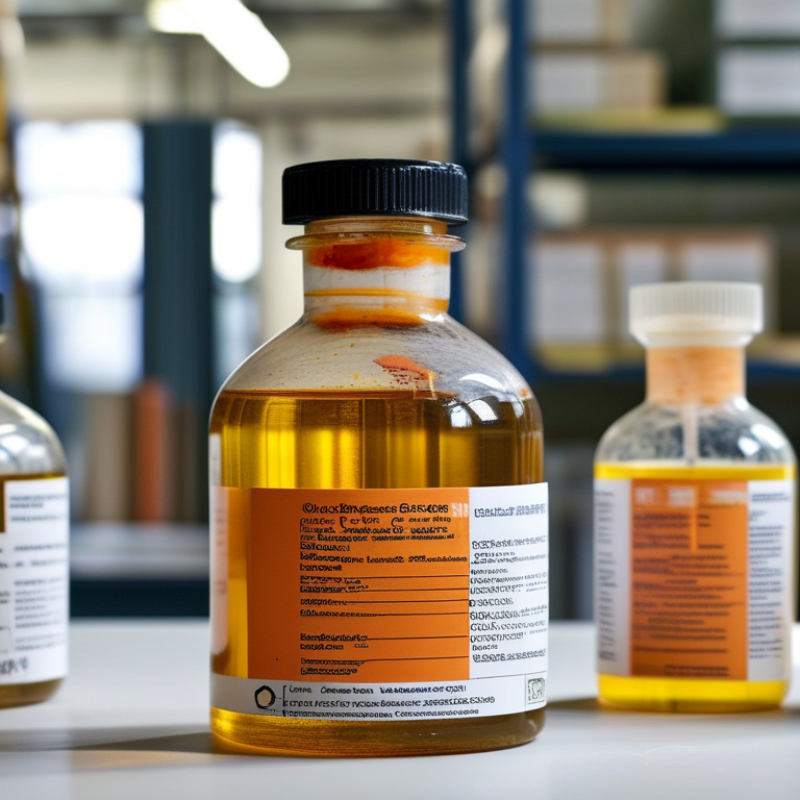
How to Choose Glyceryl Propoxy Triacrylate Suppliers?

Understanding Glyceryl Propoxy Triacrylate and Its Industrial Uses

Glyceryl Propoxy Triacrylate, often called GPTA, is a trifunctional acrylate monomer. Its three reactive acrylate groups help coatings, inks, adhesives, and 3D-printing resins cure into cross-linked films. It can improve hardness, chemical resistance, and adhesion. However, excessive cross-linking may create brittle surfaces. It is not a simple additive. A supplier should explain viscosity, purity, inhibitor level, moisture, color, and functionality. These details directly affect production stability.

Market demand supports careful sourcing. Grand View Research’s 2023 UV coatings report estimated the global market at about USD 7.1 billion, with growth projected through 2030. RadTech industry reporting also identifies UV and electron-beam curing as expanding technologies for efficient industrial finishing. These figures describe wider markets, not GPTA alone. That distinction matters. When comparing suppliers, request recent certificates of analysis, safety data sheets, batch traceability, and storage guidance. Test a small sample in your actual formulation. A product can perform differently under humidity, lamp intensity, or pigment loading.

Tips: Compare viscosity at the same temperature. Confirm packaging and inhibitor specifications. Ask for three consecutive batch results, not one attractive sample. Check technical support response times. Supplier location also affects delivery risk and storage exposure. I would avoid choosing only by price; low-cost material may increase rejected batches. Still, supplier claims require verification. Independent testing is worth the extra time.

Defining Your Glyceryl Propoxy Triacrylate Supply Requirements

How to Choose Glyceryl Propoxy Triacrylate Suppliers?

Defining Your Glyceryl Propoxy Triacrylate Supply Requirements

Before contacting suppliers, define how Glyceryl Propoxy Triacrylate will perform in your process. Record the required purity, viscosity range, color, inhibitor level, and moisture limit. These details create a practical purchasing specification. They also prevent vague comparisons based only on price.

Consider your monthly demand and delivery rhythm. A small laboratory may need sealed one-kilogram containers, while production requires larger, traceable packaging. Check storage temperature, shelf life, and transport conditions. Ask whether each shipment includes a current certificate of analysis and safety data sheet. Reliable documentation matters when batches enter quality control.

In pilot sourcing, I would request samples from several qualified suppliers. Test curing behavior, mixing time, odor, and batch consistency under your actual formula. Do not rely on a supplier’s standard data alone. Your resin system may react differently. Our first requirement list once missed packaging compatibility, which caused unnecessary handling issues. That mistake was avoidable.

Discuss change notification procedures, minimum order quantities, lead times, and backup capacity. Confirm that technical documents match the destination market’s requirements. A dependable supplier should answer specific questions clearly and provide consistent records. If responses remain vague, the risk is already visible. Keep a written approval checklist. It should include identity confirmation, test methods, acceptance limits, and retained-sample expectations.

How to Choose Glyceryl Propoxy Triacrylate Suppliers? - Defining Your Glyceryl Propoxy Triacrylate Supply Requirements
Requirement Dimension Recommended Specification or Target Why It Matters Supplier Evidence to Request Priority Acceptance Check
Product Identity Glyceryl Propoxy Triacrylate; propoxylated glycerol triacrylate; confirm the exact propoxylation level and product grade. The degree of propoxylation can influence viscosity, flexibility, cure speed, reactivity, and final film performance. Technical data sheet, product specification, structural description, and a representative certificate of analysis. Critical Match the purchase specification and intended formulation.
Chemical Composition Triacrylate functionality confirmed; active content and composition limits defined by the application. A practical starting target is active content ≥95% by the supplier’s validated method. Composition directly affects crosslink density, conversion, hardness, flexibility, and residual extractables. Assay method, chromatographic or other validated analytical data, and batch CoA. Critical Review results against agreed lot-release limits.
Viscosity Set a project-specific range at a defined temperature; an initial screening range of approximately 100–500 mPa·s at 25°C may be used for liquid handling studies. Viscosity controls pumping, mixing, coating uniformity, dispensing, and incorporation into resin blends. Test temperature, spindle or instrument type, shear condition, and viscosity result on the CoA. High Test a retained sample at 25°C using the agreed method.
Color and Appearance Clear to slightly yellow, homogeneous liquid; no visible particles, gel, phase separation, or crystallization under the stated storage conditions. Color and clarity can affect transparent coatings, inks, optical materials, and the visual consistency of finished products. Appearance specification, color scale or numerical color limit, and representative sample photographs where appropriate. High Visual inspection under controlled lighting before use.
Acid Value Define a low and consistent acid-value limit suitable for the formulation; the final limit should be established through compatibility and cure testing. Acidic impurities may affect catalyst compatibility, storage stability, odor, corrosion, and cure behavior. Acid-value test method, result, units, and batch-to-batch trend data. High Compare each lot with the approved specification.
Moisture and Volatiles Use a documented maximum moisture limit; a practical starting control point is ≤0.20% by Karl Fischer analysis unless the application requires a lower value. Water and volatile residues may cause bubbles, haze, adhesion loss, hydrolysis concerns, and inconsistent curing. Karl Fischer or validated moisture method, volatile-content method, and actual batch result. High Verify incoming lots and investigate upward trends.
Polymerization Inhibitor Inhibitor type and concentration must be declared and controlled within an agreed range; the level must balance storage stability with cure performance. Acrylate monomers can polymerize prematurely when exposed to heat, light, contamination, or unsuitable storage conditions. Inhibitor identity, concentration, analytical method, and recommended storage conditions. Critical Confirm the inhibitor level on the CoA or by agreed testing.
Cure Performance Demonstrate compatibility with the selected photoinitiator or thermal-cure system; define target conversion, tack-free time, dose, temperature, and film thickness. Supplier material can meet chemical specifications yet perform differently in UV, LED, EB, or thermally cured systems. Application data, recommended cure window, conversion or gel-fraction results, and sample evaluation. Critical Run side-by-side trials using production-relevant conditions.
Packaging Use sealed, compatible containers with minimal headspace exposure; packaging should protect against light, heat, moisture, and contamination. Improper packaging can accelerate discoloration, inhibitor depletion, contamination, or premature gel formation. Container material, net weight, closure design, light-protection details, and packaging inspection procedure. High Inspect seals, labels, container condition, and fill weight on receipt.
Storage and Shelf Life Store in a cool, dry, well-ventilated area away from direct sunlight, ignition sources, and incompatible materials; use the supplier’s validated temperature range and shelf-life period. Temperature history and light exposure can affect viscosity, color, inhibitor stability, and polymerization risk. Safety data sheet, storage temperature range, shelf-life statement, transport conditions, and stability data. Critical Apply first-expiry-first-out control and record warehouse temperature.
Regulatory Documentation Documentation package should include SDS, TDS, CoA, transport classification, composition or regulatory statement, and applicable regional compliance information. Missing documentation can delay qualification, import clearance, worker training, and customer approval. Current revision-controlled documents in English and any additional languages required for the destination market. Critical Review documents before purchase-order release.
Quality-System Controls Prefer suppliers with documented lot traceability, change-control procedures, deviation handling, retained samples, and complaint-response processes. Consistent quality depends on process control and the supplier’s ability to manage changes without unexpected formulation impact. Quality questionnaire, audit response, change-notification policy, traceability example, and nonconformance procedure. High Complete a risk-based supplier qualification review.
Supply Continuity Define minimum order quantity, standard lead time, annual capacity indication, forecast requirements, and contingency arrangements before approval. Short-term availability does not guarantee stable supply for continuous production. Written lead-time commitment, capacity statement, allocation policy, and business-continuity information. High Assess supply risk against expected annual consumption.
Technical Support Supplier should provide formulation guidance, sample quantities, troubleshooting support, and assistance with scale-up or process changes. Expert support can reduce qualification time and help resolve cure, adhesion, viscosity, or storage issues. Technical contact details, response-time commitment, application notes, and sample-support process. Medium Evaluate responsiveness during the pre-qualification stage.
Commercial Evaluation Compare total landed cost rather than unit price alone, including packaging, freight, duties, testing, minimum order quantity, and potential process losses. A lower quoted price may be offset by higher logistics costs, inconsistent quality, or additional testing requirements. Formal quotation, delivery terms, payment terms, validity period, packaging cost, and freight assumptions. Medium Use a documented total-cost-of-ownership comparison.
The numerical values shown are procurement starting points for qualification planning, not universal specifications. Final acceptance limits should be confirmed through application testing, regulatory review, safety assessment, and supplier-specific analytical capability.

Evaluating Supplier Quality, Certifications, and Production Standards

How to Choose Glyceryl Propoxy Triacrylate Suppliers?

Evaluating Supplier Quality, Certifications, and Production Standards

Choosing a glyceryl propoxy triacrylate supplier requires more than comparing prices. Quality should be visible in records, samples, and repeatable production results. Request a current certificate of analysis for each batch. Check viscosity, color, purity, functionality, and inhibitor levels against agreed specifications. Small differences can affect curing speed and final coating performance.

Look for a documented quality system, such as ISO 9001, with clear procedures for testing and corrective actions. Environmental and safety certifications can also show stronger operational control. However, a certificate alone proves little. Verify its scope, validity, issuing body, and connection to the actual production site.

Ask for safety data sheets, technical data, batch traceability, and change-control records. The supplier should explain how raw materials are approved and how deviations are handled.

Production standards matter at the factory level. Review storage temperature, light protection, packaging integrity, and loading practices. A site audit or video inspection may reveal details missing from formal documents.

Request samples from different batches, not just one attractive result. Independent testing is worthwhile for critical applications. It may feel excessive, but one unverified assumption can create weeks of rework.

Supplier communication also matters. Slow answers, unclear specifications, or unexplained test changes deserve careful attention. No evaluation is perfect; even experienced buyers can overlook an outdated document or a minor process change.

Comparing Pricing, Packaging, Lead Times, and Technical Support

Choosing Glyceryl Propoxy Triacrylate suppliers requires more than comparing the lowest quotation. Pricing should include product purity, drum size, freight, storage, and testing fees. The 2024 ICIS Chemical Industry Outlook highlights continuing volatility in energy and chemical feedstock costs. Request a price-validity period and a clear adjustment formula. A low initial price may hide unstable supply terms.

Packaging deserves equal attention. Ask whether the material is supplied in light-resistant, tightly sealed containers with batch labels and recommended storage temperatures. Compare net weight, pallet configuration, leakage protection, and disposal requirements. The 2024 UNCTAD Review of Maritime Transport reported continuing disruption risks across major shipping routes, so lead time should include customs clearance and possible transit delays. Request both standard and expedited delivery schedules. Confirm minimum order quantities before approval.

Tips: Build a supplier scorecard with four columns: landed cost, packaging quality, lead time, and technical support. Require recent COAs, SDS documents, viscosity data, and inhibitor information. Technical support should explain compatibility, handling, and application testing, not only send brochures. The Global Chemical Outlook reports that supply resilience increasingly depends on transparent data and qualified alternatives. Still, the scorecard is imperfect. A supplier may look reliable until one batch varies. Keep a retained sample and define acceptance limits in writing.

Verifying Samples, Compliance Documents, and Long-Term Reliability

Choosing a glyceryl propoxy triacrylate supplier requires more than comparing prices. Request a representative sample from a current production lot. Check appearance, viscosity, water content, inhibitor level, and assay against your specification. Ask an independent laboratory to confirm identity using FTIR and chromatographic testing. A neat sample can still hide batch variation.

Compliance documents should match the exact material and destination market. Review the SDS, certificate of analysis, lot traceability, GHS classification, and applicable chemical registrations. Confirm that the documents show revision dates and responsible technical contacts. The ECHA chemicals database demonstrates the scale of regulatory registration, with tens of thousands of substances recorded. Documentation quality matters. ISO’s 2023 Survey reported about 1.26 million ISO 9001 certificates worldwide, but certification alone does not prove chemical consistency. Audit evidence remains essential.

Tips: Request three lots, not one. Compare test results, packaging condition, and delivery dates. Ask suppliers to explain their change-control process and provide advance notice of raw-material or formulation changes. Review complaint records, corrective actions, production capacity, and backup manufacturing arrangements. A supplier promising unlimited availability deserves careful questions. I would also test a retained sample after storage, because real warehouse conditions are rarely perfect. Use a written supplier scorecard covering quality, compliance, responsiveness, and on-time delivery. Reliability grows from repeated evidence, not polished presentations.

Start typing to see products you are looking for.
Sign in

No account yet?

NewSale
SHARE YOUR CART