

10 Tips for Choosing the Best Kitchen Chairs?
Choosing the right kitchen chairs involves more than matching colors or following a showroom trend. A beautiful chair can still feel hard after ten minutes. A narrow seat may look elegant, yet become uncomfortable during a long family dinner. Measurements, materials, support, and daily habits all matter. So does the room itself.
Ergonomist Alan Hedge is widely associated with the practical reminder, “The best posture is the next posture.” That idea fits kitchen seating well. Good kitchen chairs should support natural movement, not force one rigid position. Look for a seat that allows your feet to rest firmly on the floor. Check whether the back supports you without pressing into your shoulder blades. At a kitchen island, seat height must also match the counter, leaving enough space for your knees.
This guide explores ten useful tips for comparing kitchen chairs with clearer judgment. It considers solid wood, metal, upholstered, and easy-clean designs. It also examines durability, cleaning needs, weight, armrests, and household safety. A chair used beside a busy stove faces spills, heat, and constant movement. That changes the buying decision.
Some advice may sound obvious. It is still often missed. A chair can be stylish, affordable, and completely wrong for your table. Personal comfort remains difficult to measure online. Product photos cannot reveal every pressure point. Therefore, test the chair whenever possible, and question attractive claims before trusting them. The best choice may not be the most fashionable one. It should quietly work, meal after meal.
Assess Your Kitchen Space, Layout, and Seating Needs
10 Tips for Choosing the Best Kitchen Chairs
Assess Your Kitchen Space, Layout, and Seating Needs
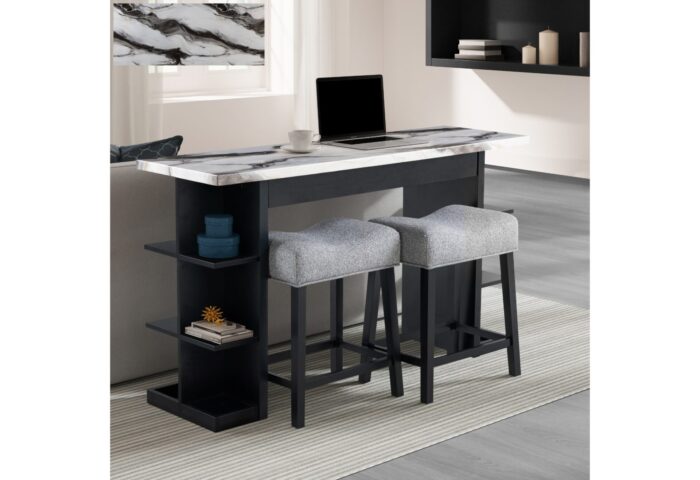
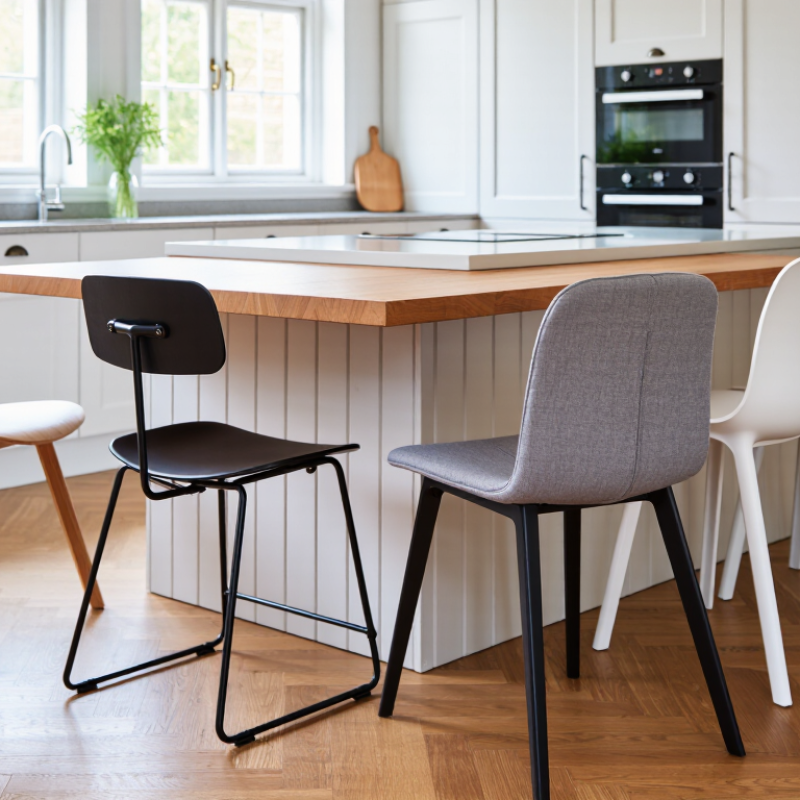
Measure your kitchen before browsing chair styles. Record the table height, island depth, walkway width, and available floor space. A quick sketch can reveal problems that photographs often hide. Keep at least 36 inches between seating and nearby cabinets or appliances. Busy kitchens may need more clearance.
Identify who uses the kitchen daily. Children may need stable chairs with supportive backs, while older adults often prefer firm seats and easy access. Match seat height to the counter or table. Standard dining tables usually suit chairs with 17 to 19-inch seats. Counter seating often needs taller chairs, but measure carefully. Your knees should fit comfortably beneath the surface. Test the reach.
Consider traffic patterns before choosing wide arms or swivel bases. A chair that looks elegant can block a drawer. Check whether doors open fully when every seat is occupied. Natural light matters too, especially near breakfast areas. Select surfaces that are easy to wipe after cooking. Real kitchens get messy.
Leave enough room for elbows and movement. Four chairs may fit on paper, yet feel crowded in practice. Sit in a similar chair for ten minutes. Notice pressure points. I once underestimated legroom beneath a thick countertop, and the mistake became annoying every morning. Plan for guests, but do not sacrifice daily comfort. Adjustable layouts can help, though they may reduce visual consistency. Recheck your measurements before buying.
| Tip | Assessment Area | What to Measure or Check | Practical Recommendation | Useful Target |
|---|---|---|---|---|
| 1 | Available Floor Space | Measure the dining zone, walkway, and the area occupied by pulled-out chairs. | Choose chairs that allow people to sit down and stand up without blocking kitchen doors, drawers, or main walkways. | Allow about 90 cm behind a seated diner for comfortable movement. |
| 2 | Kitchen Layout | Identify whether the kitchen is galley-style, L-shaped, U-shaped, open-plan, or centered around an island. | Use slim or armless chairs in narrow layouts; select more substantial chairs only where circulation remains clear. | Keep work aisles near 105–120 cm where cooking and passing occur. |
| 3 | Dining Surface Height | Measure from the floor to the top of the dining table, counter, or island overhang. | Match standard dining chairs with dining-height tables, counter stools with counters, and bar stools with bar-height surfaces. | Seat-to-surface gap: approximately 25–30 cm. |
| 4 | Seating Capacity | Calculate the number of regular users, occasional guests, and available seating positions. | Avoid overcrowding. Count each chair’s width and leave enough elbow room for comfortable meals. | Plan about 60 cm of table width per person. |
| 5 | Chair Height | Compare the chair or stool seat height with the surface height and the users’ leg length. | Feet should rest naturally on the floor or a stable footrest, with knees positioned comfortably under the table or counter. | Dining seat: about 45 cm; counter seat: about 60–66 cm. |
| 6 | Comfort and Ergonomics | Evaluate seat depth, back support, edge softness, stability, and ease of getting in and out. | Choose supportive backs for longer meals and moderately firm cushioning for daily use. Avoid sharp front edges. | Seat depth commonly works well around 40–45 cm. |
| 7 | Clearance and Storage | Check whether chairs can slide fully under the table or island when not in use. | Prioritize compact frames, stackable designs, or armless silhouettes when floor space is limited. | Keep at least 2–3 cm of practical clearance around moving parts. |
| 8 | Material and Maintenance | Consider exposure to food spills, moisture, heat, cleaning products, and frequent daily use. | Select sealed, wipe-clean surfaces for busy kitchens. Removable and washable covers can improve long-term maintenance. | Prefer non-porous or well-sealed finishes near food preparation areas. |
| 9 | Safety and Stability | Inspect the base, joints, floor contact points, anti-slip features, and overall resistance to tipping. | Use chairs with a stable footprint and avoid placing lightweight seating where it can interfere with appliance doors or busy traffic. | All legs should contact the floor evenly without rocking. |
| 10 | Style and Visual Scale | Compare chair color, shape, back height, and visual weight with cabinetry, flooring, lighting, and room proportions. | Coordinate finishes without requiring an exact match. Use lighter shapes in compact rooms and stronger silhouettes in larger open spaces. | Keep the chair scale proportional to the table and surrounding furniture. |
Related Posts
-

Exploring Unique Alternatives to Traditional Dining Room Chairs for Your Home
-

Exploring the Future of Dining Room Chairs: Insights from the 138th China Import and Export Fair 2025
-
Why Choose Upholstered Dining Chairs for Comfort and Style in Your Home
-

Transform Your Home: 7 Dining Set Trends That Elevate Your Dining Experience in 2024
-
How to Choose the Perfect Bar Stools with Backs for Your Home
-
2026 How to Choose the Perfect Dining Room Sets for Your Home?